





































Affordable Luxury in Focus: Why It Continues to Resonate with Homebuyers
Despite ongoing conversations about rising costs and the financial pressures faced by the middle class, one thing remains consistent: the aspiration for better living spaces has not faded. If anything, it has evolved—becoming more intentional, more value-driven, and more aligned with practical realities.
Across the Philippine real estate market, demand continues to be anchored by the mid-income segment. Recent reports indicate that this group remains a primary driver of residential absorption, fueling what has been described as one of the sector’s strongest rebounds in recent quarters. Even in a more cautious economic environment, aspiring homeowners are actively seeking properties that offer both comfort and long-term value.
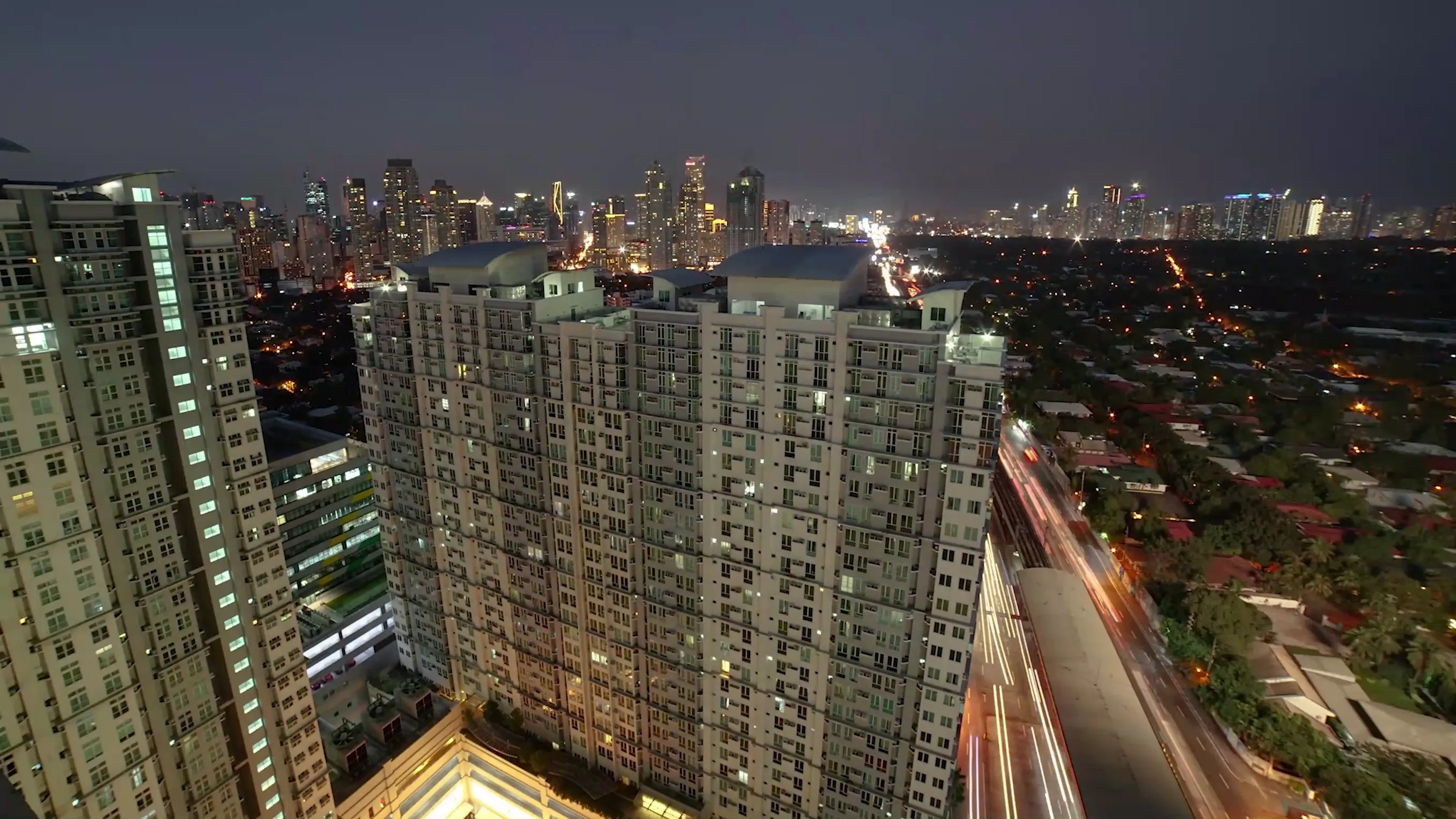
This shift has given rise to the continued relevance of what many developers position as “affordable luxury.” More than a marketing phrase, it reflects a growing preference among buyers for homes that elevate everyday living—without crossing the threshold of financial strain. Industry observations suggest that a significant share of condominium demand now comes from mid-income buyers, reinforcing the importance of developments that strike a balance between quality and cost.
Developers, in turn, are adapting to these changing preferences. There is a noticeable move away from speculative buying toward end-use purchasing, with buyers prioritizing accessibility, functionality, and livability. Location remains a critical factor, particularly developments that offer proximity to key transport networks and central business districts. At the same time, thoughtfully designed amenities and efficient unit layouts have become essential considerations, rather than optional features.

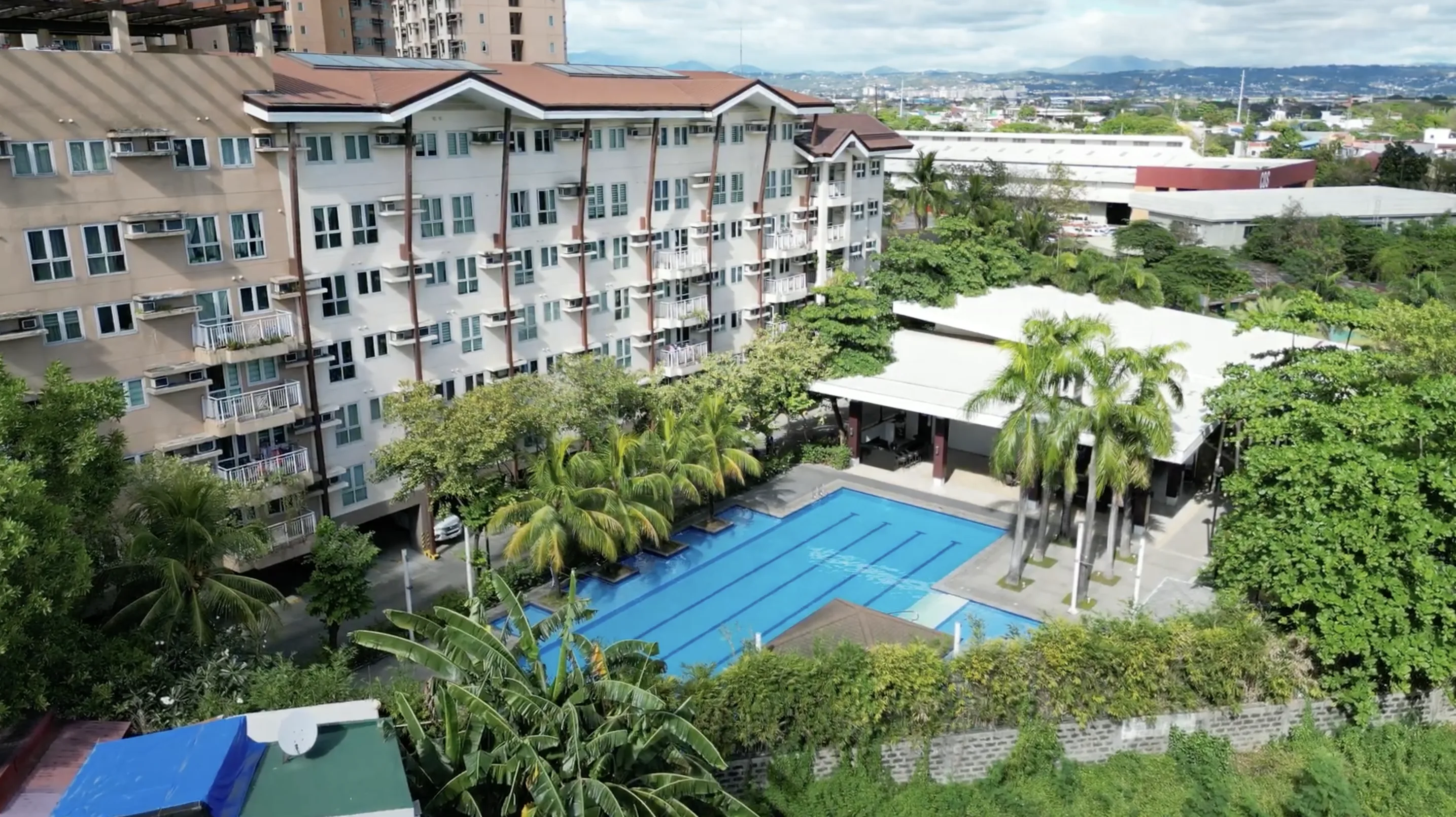
Within this landscape, developers such as Empire East Land Holdings Inc. are responding to the call for more accessible yet elevated housing options. By integrating strategic locations with lifestyle-oriented amenities and practical design, developments are increasingly aligned with the expectations of modern homeowners—particularly young professionals and growing families seeking both convenience and comfort.
The impact of this shift is visible not just in sales figures, but in the communities that are taking shape. Across various residential projects, completed units are gradually transforming into lived-in environments, with residents settling in and activating shared spaces. This transition from turnover to occupancy reflects a broader trend: more buyers are choosing to live in their investments, rather than simply hold them.
Market data supports this movement. Property consultancy reports note improving absorption levels and steady take-up across key residential segments, signaling renewed confidence among buyers. As inventory levels stabilize and demand becomes more end-user driven, the market appears to be entering a more sustainable phase—one defined less by speculation and more by genuine housing needs.
Ultimately, the continued strength of the residential sector underscores a simple but enduring truth: aspiration remains a powerful force. However, in today’s environment, it must be matched with affordability and practical value. When these elements come together, they create opportunities not just for sales, but for meaningful homeownership.
In this evolving landscape, affordable luxury is no longer just an ideal—it is a response to what today’s homebuyers are truly looking for: a better life, within reach.
Sources
- Colliers Philippines. Property Market Report: Residential Q4 2025
- BusinessMirror. Mid-income market fuels Philippine property’s rebound
- The Philippine Star. NCR residential condo market trends and demand shift
- Real Estate Blog PH. Mid-income condo demand insights (2026)
 Empire East Highland City
 The Paddington Place
 Mango Tree Residences
 Kasara Urban Resort Residences
 Covent Garden
 The Rochester
 Pioneer Woodlands
 Little Baguio Terraces
 San Lorenzo Place