






































Wouldn’t it be nice to get from one place to another without spending hours stuck in traffic?
Every hour spent on the road is time that could have been spent sharing a meal with family, pursuing a hobby, or simply getting the rest you deserve. In Metro Manila, however, long commutes have become an everyday reality for many Filipinos. Studies by Colliers show that Filipinos spend an average of two to three hours commuting each day, while the 2025 TomTom Traffic Index estimates that motorists in Metro Manila lose nearly 143 hours a year to congestion alone. These numbers highlight a growing need for communities that make getting around the city easier and everyday living more seamless.
As commutes become longer and more demanding, homebuyers are beginning to rethink what truly matters when choosing a home. Beyond the unit itself, location and accessibility have become key considerations. After all, being close to workplaces, transport hubs, and everyday essentials can make a meaningful difference in how people experience city life.
For Empire East, building communities goes beyond providing a place to live. It is about creating homes that keep residents close to the opportunities and destinations that matter, while still offering the comfort and joy of condo living. This is where Transit-Oriented Developments, or TODs, come in. These are communities strategically located near transportation hubs, major roads, business districts, schools, lifestyle centers, and other essential destinations, making it easier for residents to stay connected to the city.
Living in a transit-oriented community means spending less time getting from one place to another and more time enjoying the moments that matter. With key destinations within easier reach, daily routines become more manageable, giving residents greater flexibility to focus on work, family, and the things they love.
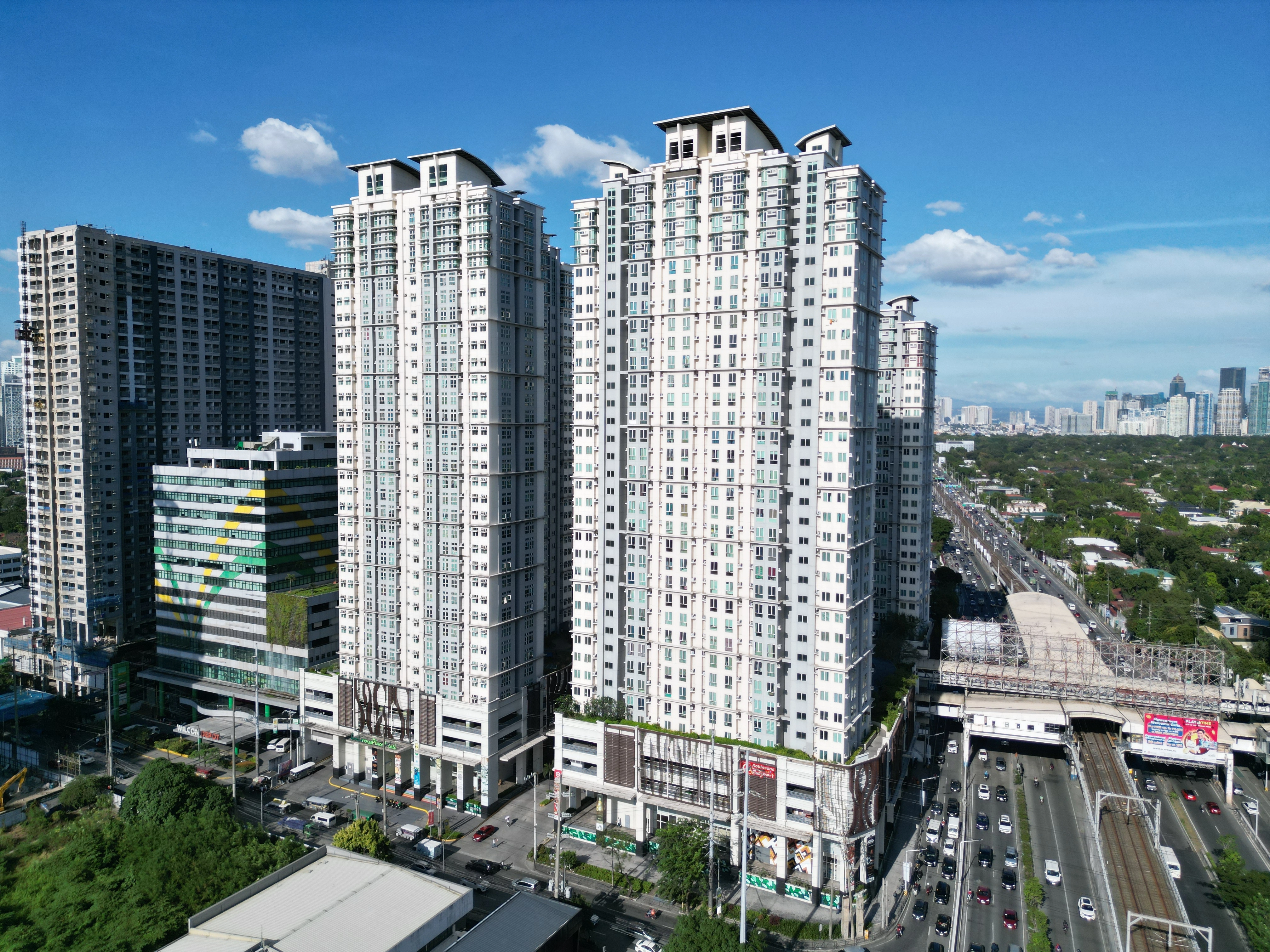
Among Empire East’s transit-oriented developments is San Lorenzo Place in Makati City, a community directly connected to the MRT-3 Magallanes Station. With the train just steps away, residents can move around the metro with greater ease, whether they are heading to work, attending classes, or meeting up with friends on the weekend. It’s the kind of accessibility that gives people something increasingly valuable today: more time to enjoy life beyond the commute.
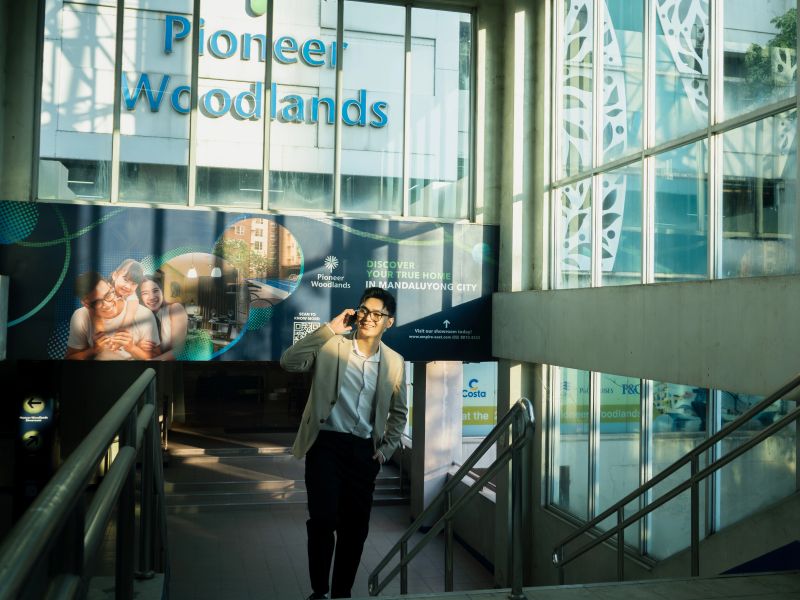
The convenience of having the MRT just steps away can also be experienced at Pioneer Woodlands in Mandaluyong City. Directly connected to the MRT-3 Boni Station, the community places residents in a strategic location with easy access to both the Ortigas and Makati central business districts, making it an ideal address for those who want to stay close to the metro’s key business and lifestyle destinations.
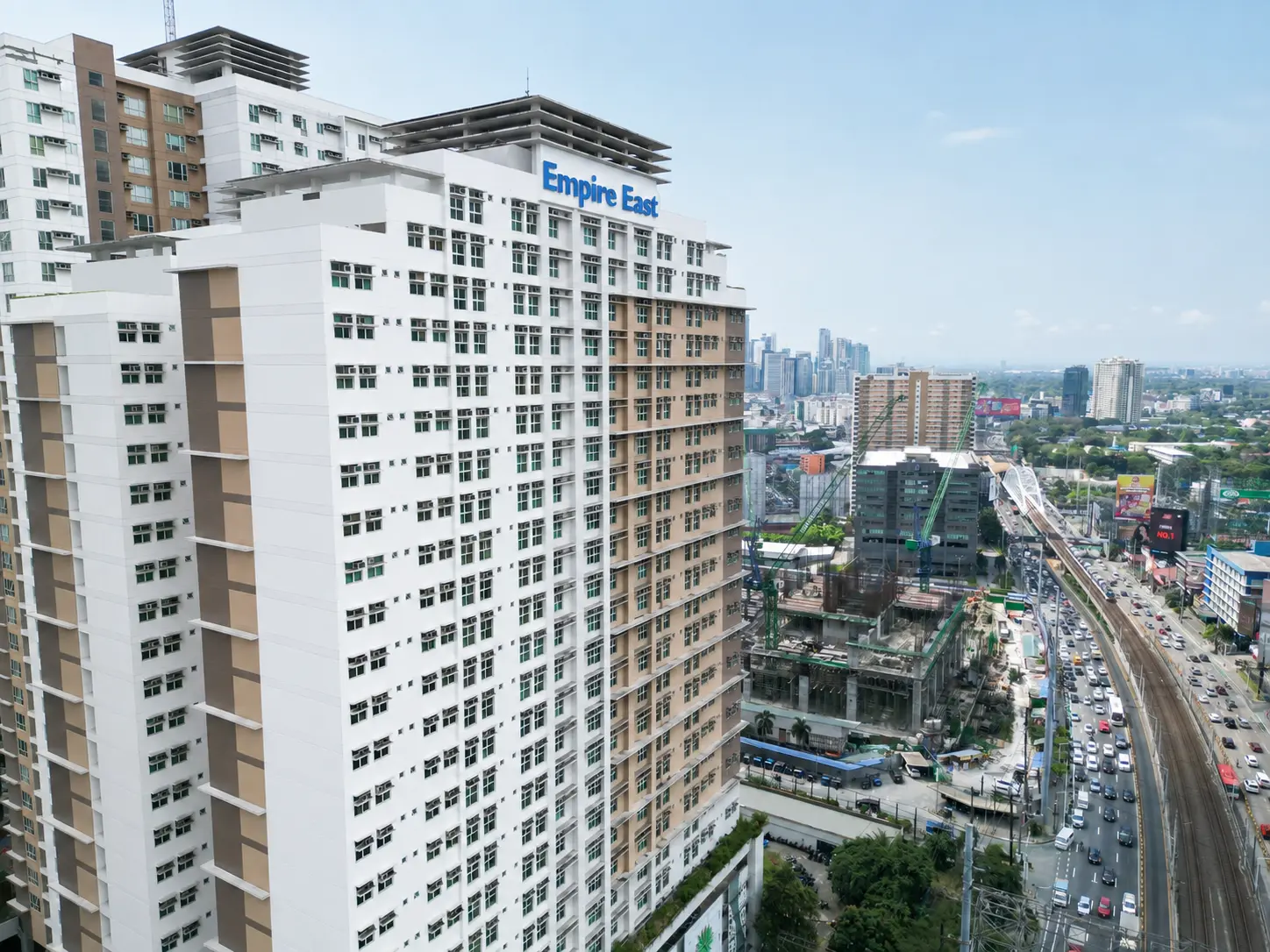
While some communities offer direct integration with the MRT, accessibility can also mean having key destinations just minutes from home. This is the idea behind The Paddington Place, Empire East's ongoing development in Mandaluyong City. Located just a short distance from the Shaw Boulevard Station, the community places residents close to some of the metro's well-loved shopping, dining, and leisure destinations, including Shangri-La Plaza, SM Megamall, Greenhills Shopping Center, and the open spaces of Greenfield District. It's a location that allows residents to enjoy the energy of city living while keeping everyday conveniences within easy reach.
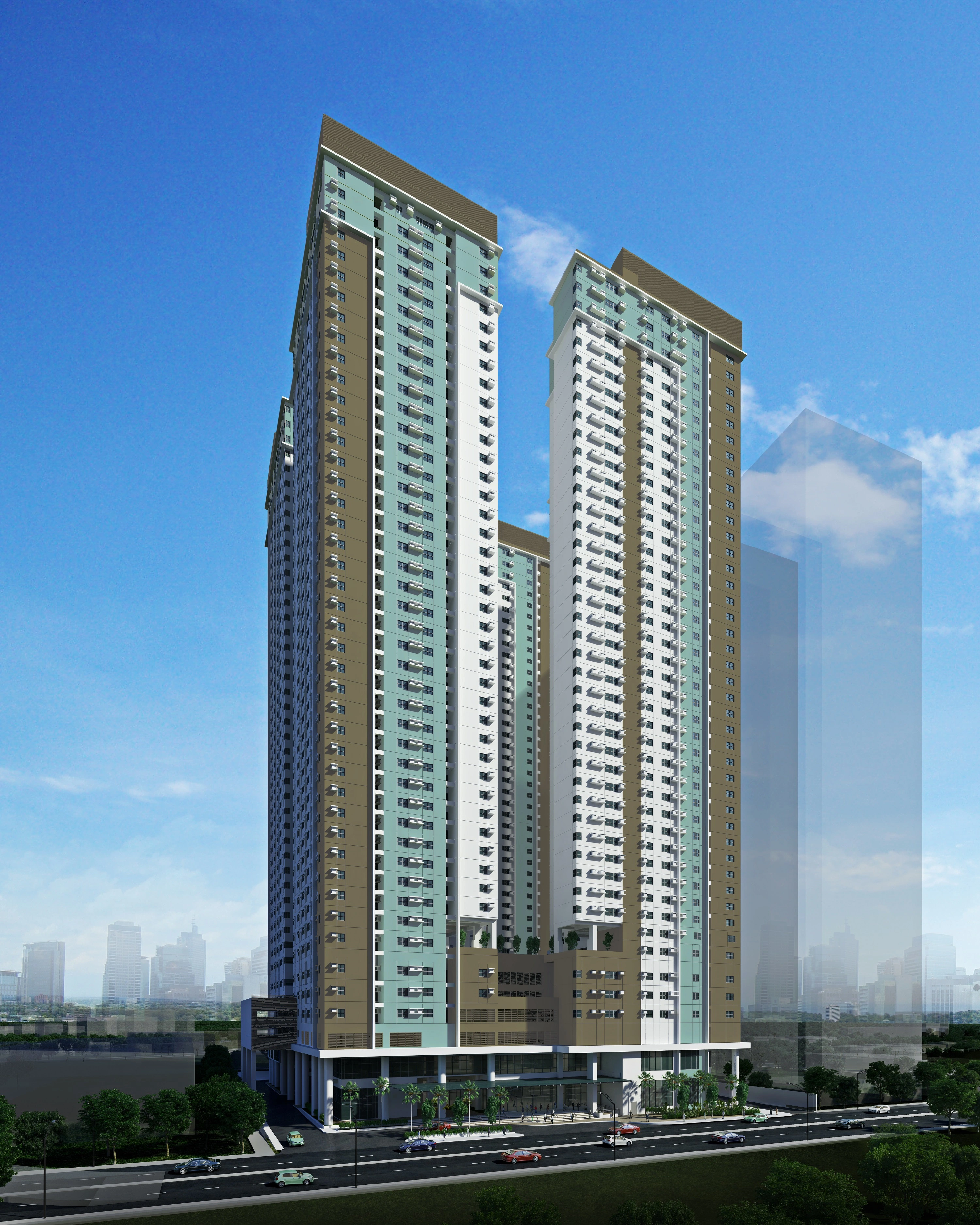
As cities continue to grow and the demand for accessibility becomes even more important, the way people choose their homes is also evolving. More than just a place to live, a well-connected community can shape how residents spend their time, move through the city, and experience everyday life.
At the heart of transit-oriented living is a simple idea: when home keeps you close to the places that matter, life feels a little easier. And in a city where every hour counts, that kind of connection can make all the difference.
 Empire East Highland City
 The Paddington Place
 Mango Tree Residences
 Kasara Urban Resort Residences
 Covent Garden
 The Rochester
 Pioneer Woodlands
 Little Baguio Terraces
 San Lorenzo Place