






































The stories behind the names that became part of Mandaluyong
If you have ever traveled along Shaw Boulevard, crossed EDSA at the famous intersection, gone shopping at “Shang,” or given someone directions around Wack-Wack or Highway Hills, you probably don't think twice about the names.
They're simply part of the city.
But Shaw, Shang, Wack-Wack and Highway Hills each tell a little piece of Mandaluyong's story—and some of their origins are more surprising than you might expect.
First stop: Shaw
Let's start with the road that gives the area much of its identity.
Shaw Boulevard was named after William James Bernard Shaw, an American businessman and philanthropist who became closely associated with Mandaluyong's Wack-Wack Golf and Country Club.
Shaw founded the Wack-Wack Golf and Country Club in 1930. But the story behind the club is about more than golf.
According to historical accounts, Shaw was reportedly upset when Filipino golfer and caddie Larry Montes, who had won the 1929 Philippine Open, was excluded from a Manila Golf Club victory celebration because he was a caddie. Shaw subsequently helped establish Wack-Wack as a club with a different philosophy.
A golf club may have been the result—but the name Shaw eventually became attached to one of Metro Manila's most important thoroughfares.
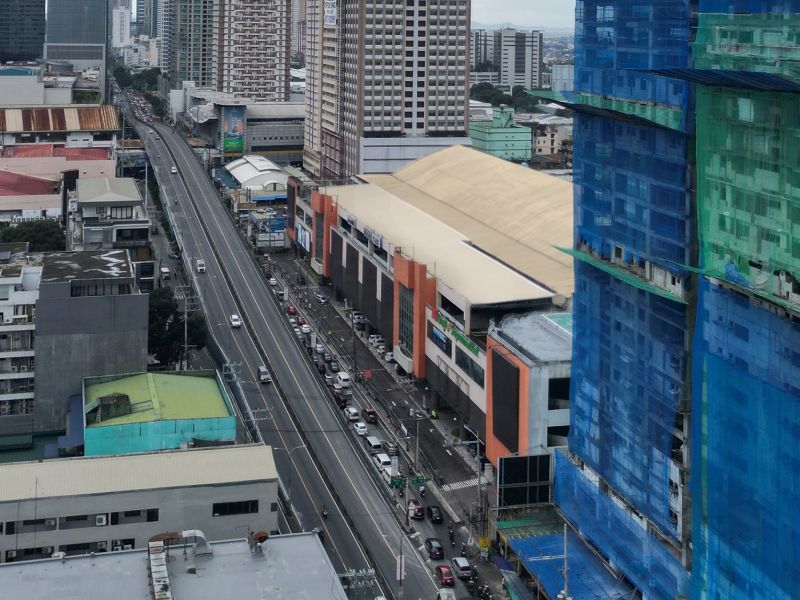
Today, Shaw Boulevard is a major east-west route connecting Mandaluyong with the Ortigas area and intersecting EDSA at what generations of commuters have simply called EDSA Crossing. The MRT-3 Shaw Boulevard Station has made the intersection an important transportation hub as well.
It is easy to forget that behind the name on the street sign is a person—and behind the road is a much older story of how Mandaluyong became connected to the growing metropolis.
Then there's Wack-Wack
This may be the most unexpected name of them all.
The City of Mandaluyong recounts a local story that the area was once a vast grassland populated by large, glossy black birds called uwak, or crows. From uwak came the name Wack-Wack.
Whether you have always known the neighborhood as an exclusive residential area, a golf destination or simply a familiar landmark along Shaw, it is amusing to imagine that one of its most recognizable names may have started with birds.
The landscape, of course, has changed dramatically. Mandaluyong's history describes the city as once having rolling terrain, grasslands and agricultural areas. Urbanization accelerated in the middle of the 20th century with the construction of bridges and the improvement of major roads, including EDSA—then known as Highway 54—and Shaw Boulevard.
The city gradually became much more urban, but some of its old names remained.
And why “Highway Hills”?
Just a short distance from Shaw Boulevard is Barangay Highway Hills, another name that sounds almost like a description of a place rather than a proper name.
The exact origin of the barangay's name is less clearly documented than that of Wack-Wack. What we do know is that Highway Hills is one of Mandaluyong's established barangays, and that the broader area was part of the city's transformation as major roads opened up the once less accessible municipality.
Mandaluyong's own historical account describes its earlier landscape as one of rolling terrain, grasslands and marshlands. The city also identifies Highway Hills as one of its largest barangays today. Even the history of Highway Hills Integrated School, established in 1961, recalls the area as a hilly place amid tall grasses.
So while we should be careful about assigning a definitive etymology to the name, “Highway Hills” certainly evokes a very different Mandaluyong from the one we know today—a place of hills and open land, gradually surrounded by the roads and development of a growing metropolis.
And then came “Shang”
By the closing decades of the 20th century, Mandaluyong's transformation was accelerating.
The old grasslands had given way to roads, subdivisions and commercial areas. EDSA and Shaw had become two of Metro Manila's busiest arteries. And at their intersection, a new generation of landmarks began defining the neighborhood.
Shangri-La Plaza opened in 1991, establishing itself at the crossroads of EDSA and Shaw Boulevard. Nearby, EDSA Shangri-La followed in 1992, bringing a major hotel destination to the area.
Over time, something very Filipino happened to that long international name.
Shangri-La simply became “Shang.”
“Let's meet at Shang.”
“It's near Shang.”
“Get off at Shaw, then walk to Shang.”
What began as the name of a commercial destination became another piece of everyday Mandaluyong vocabulary. And unlike Shaw, Wack-Wack and Highway Hills, Shang lets us see a place-name being created almost within our own lifetime.
No ordinance was needed. No road had to be renamed. People simply started calling it that.
From hills and grasslands to a city on the move
Perhaps that's the most interesting thing about these four names.
Shaw. Wack-Wack. Highway Hills. Shang.
Some came from people. Some from the landscape. One, according to local history, may have come from birds. And another emerged simply because generations of people needed an easier way to refer to a place they kept visiting.
Together, they tell the story of a city that changed dramatically within a few generations.
Mandaluyong's own land-use history describes how the municipality went from a largely agricultural and relatively inaccessible area to one increasingly connected to Metro Manila through bridges, EDSA and Shaw Boulevard. By the late 20th century, industrial sites, commercial strips and residential subdivisions had transformed much of the landscape.
Today, the same roads carry commuters between some of the busiest business districts in the metropolis. The landscape has gone from grasslands to buildings. From open roads to EDSA traffic. From horse-and-cart-era distances to MRT stations and major transport interchanges.
And yet the names remain—and new ones join them.
The names that stayed
That may be why neighborhood names are so interesting. Buildings can come and go. Roads can be widened. New businesses can replace old ones. A once-quiet area can become a busy commercial district.
But people continue to say:
“Meet me at Shaw.”
“It's near Wack-Wack.”
“I live in Highway Hills.”
“See you at Shang.”
The names become part of the mental map of generations of city dwellers.
And for Empire East, there is a little bit of history woven into this particular stretch of Mandaluyong.
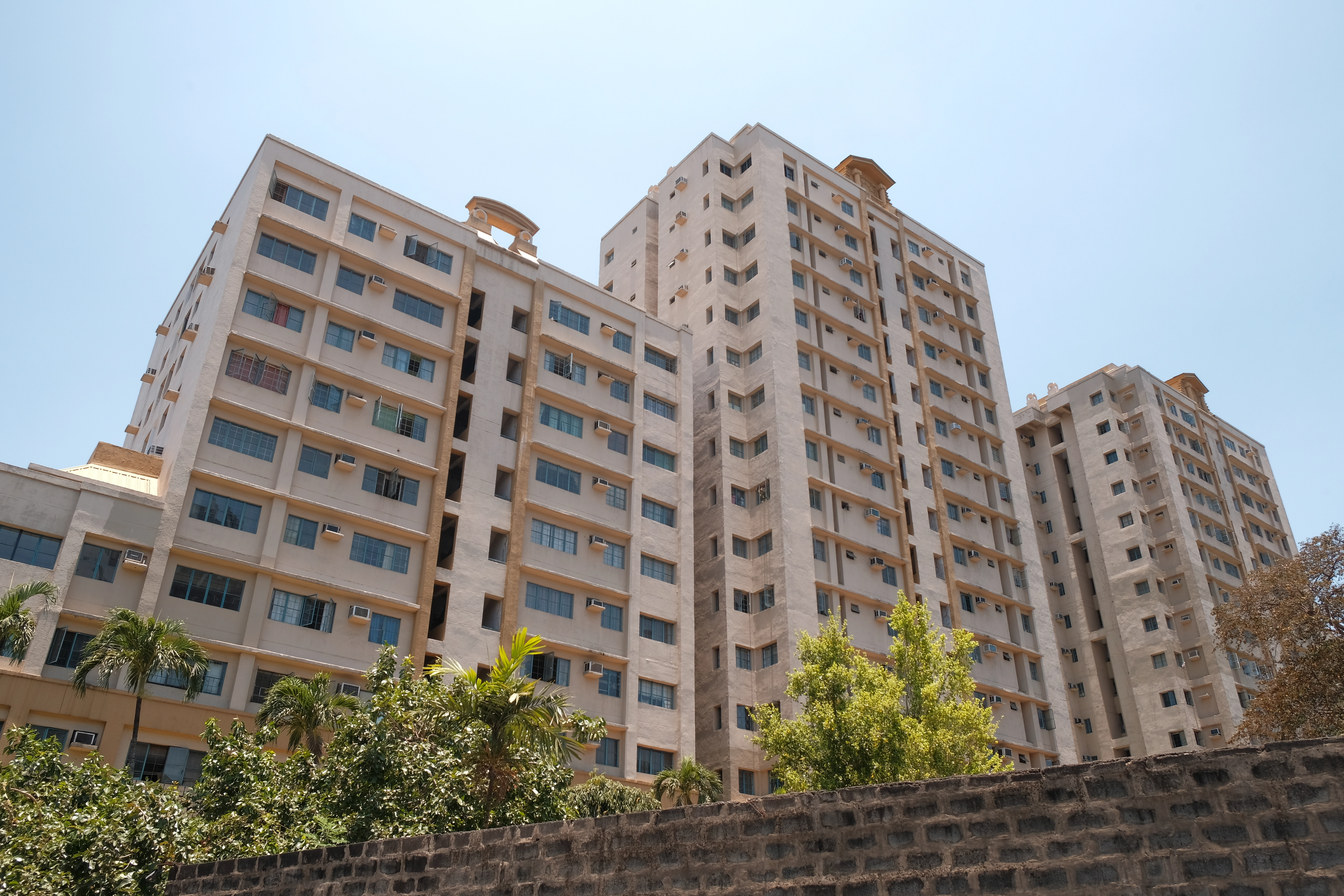
Governor's Place, one of the company's earliest condominium communities, was launched along Shaw Boulevard in 1995, at a time when condominium living was still relatively new in the area.
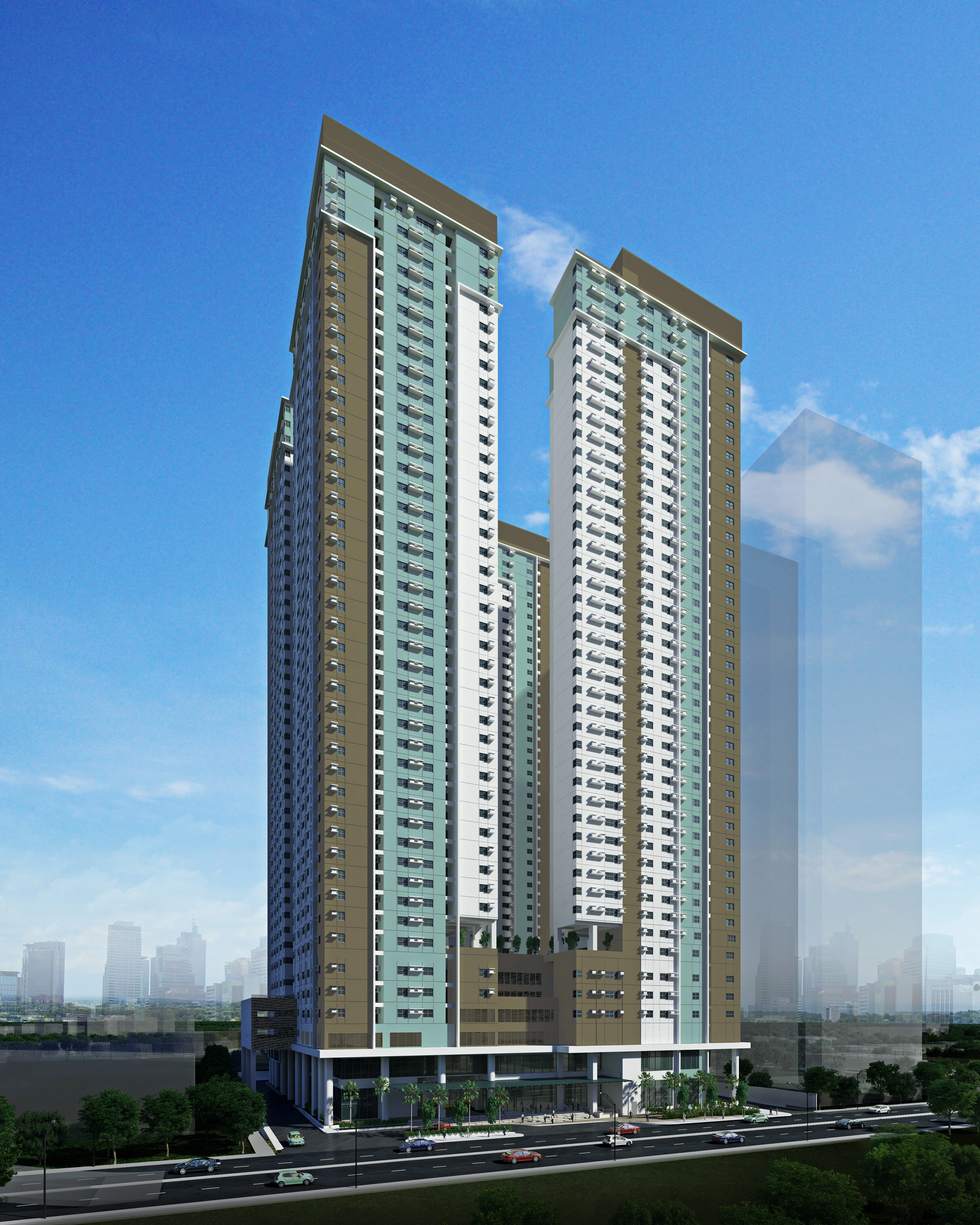
Artist's Perspective
Years later, The Paddington Place would become another Empire East community along Shaw Boulevard, extending the company's presence into another important part of Mandaluyong's evolving urban landscape.
The projects are newer. The roads are older. Some names have been around for generations; others entered our vocabulary only within the last few decades.
Together, Shaw, Shang, Wack-Wack and Highway Hills have become more than names on road signs and maps.
They are part of the way people remember, navigate and experience Mandaluyong City. And perhaps that is what makes a neighborhood feel like more than a location. It has a memory.
 Empire East Highland City
 The Paddington Place
 Mango Tree Residences
 Kasara Urban Resort Residences
 Covent Garden
 The Rochester
 Pioneer Woodlands
 Little Baguio Terraces
 San Lorenzo Place